Narrative theory can be described as the way the plot and the storyline is organised within the media text. There are specific elements that make up narrative. These elements are;
- Time
- Closure
- Enigma
Classical hollywood narrative;
Classical hollywood narrative adopts a linear structure with few or any sub plots, there is also a large tendency towards closure. There are many relevant theories that relate to narrative.
1) Tzevetan Todorov
Equilibrium
Equilibrium is where there are no problems obvious to the audience within the media text at the present time while watching the text. This means that there is a sense of comfort within the world of the film and there are no problems faced by the characters presented to the audience.
Disruption
Disruption within media texts is the point where the equilibrium is still in tact and going strong and then something occurs that affects the dynamic of the text on screen. This then provides the motive for resolution by the characters involved in the story.
Resolution
This is where the characters are tasked with the goal of establishing what needs to be done to meet a new equilibrium. This could be in the form of revenge, finding someone who has been kidnapped (Taken), or a man and a woman united together in romance after squabbles (The Vow). The resolution allows for the media text to meet a new equilibrium.
New Equilibrium
A new equilibrium occurs after the disruption is made just by the resolution and the characters involved in the plot have a sense of peace after the events of the story. The new equilibrium can never be the same as the original equilibrium as the characters have ventured on a journey throughout the storyline and have found a new peace that differentiates from the equilibrium at the beginning of the story.
Scream - 1996
The opening section of the film Scream is a good example of equilibrium and disruption. Drew Barrymore playing the classic Hollywood Blonde actress and is received at the very opening as a innocent girl ready to enjoy a scary movie with Popcaan. Everything is at peace until the phone rings. When Drew answers the phone, she is greeted by a stranger although there is not a sense of threat yet. It begins with the two characters being quite flirtatious and light with each other and Drew keeps hanging up and telling him he has got the wrong number and he keeps phoning back. The precise moment when the equilibrium is disrupted is when he tells her he wants to know who he is looking at. This is unnerving and threatening as Drew is located in a place far out in the countryside that is quite lonlisome and desolute. This makes the audience fear for the character and as the intensity of things build up, the audience become apprehensive for Drew's characters life and the audience are shocked when Drew does not get away from the killer and is stabbed repeatedly before being found hanging from a tree by her parents.
Throughout the remainder of the movie and as the narrative unfolds, we witness the brutal murder of helpless victims to the slasher killer. Despite this, Sidney remains alive throughout the whole of the film and adopts the role of protagonist within the plot structure of the film. The New equilibrium of any slasher film is tainted by the inhumane murder of many throughout the duration of the film. However, there is a sense of peace by the end of the film where the Killers are dead and Sidney has found her father and remained alive. However, Sidney will never be the same again and this experience has affected her for the remainder of her life. The difference between the new equilibrium and the old equilibrium is the extent to which the character of Sidney has changed and what she has learnt along the way of the narrative.
Roland Barthes
Barthes describes media texts as complex bundles of meaning which can be unravelled to create a whole range of different meanings. According to Barthes texts can be OPEN with numerous threads to pull to unravel the narrative. CLOSED narratives have only one obvious thread to grasp on. Texts that can be read in many different ways can be seen as POLYSEMIC texts.
Open texts
The Dark Knight rises and Inception
In both these media texts, the narrative is open and it is left ambiguous to whether or not the main protagonist survived.
The Dark Knight shows open narrative theory where the main character Batman has left an open thread where he is a mysterious and intriguing character who disappears into the night at the end of the film.

Inception is another narrative that is left open and leaves the audience with the power and ability to tie up the threads to shows whether Leonardo's character has survived and is living in the real world or whether he is left living in a dream and its the audience's duty to finalise this answer.
Scarface
Scarface is an example of Polysemic media text. The film scarface is open to a number of interpretations. It can be viewed as a; glorification of violence, as a rags to riches story or as a critique of the values of 1980s being greed and consumption, also abuse of illegal substances.
Codes
Barthes main code was the enigma code which is constructed to attract and hold the attention of the audience normally by creating a mystery or puzzle that the audience want to be solved. The enigma code is usually introduced in the disruption phase of Todorov's model. Enigma codes are designed to attract and hold the attention of the audience and they can be used in different types of television and not purely film such as reality TV for example X-factor.
Vladimir Propp
.jpg)
Propp analysed folk stories and from this developed and identified 8 key character roles in these different stories;
- The Hero (The protagonist)
- The villain (The antagonist)
- The Donor (Provider)
- The Helper
- The Father
- The Dispatcher
- The Princess
- The False Hero
Propp argued that these characters could be interlinked where one character could have multiple roles within this 8 man structure within the plot of these stories which keenly relates to the storyline and plot of modern media texts and these characters can be seen within these structures.
Examples of characters that embody these titles within the film Star Wars are as follows in the same order;
- Luke Skywalker
- Darth Vader
- Obi Wan Kenobi
- R2D2, C3PO, Chewbacca
- Obi Wan Kenobi
- Princess Leia
- Princess Leia
- Han Solo?
Syd Field

Syd argues that today, narratives tend to be organised by a three act structure. He calls this the ideal paradigm three act structure;
The set up
In the structure of a three act set up, a film must be set up in the first 20 or 30 minutes of the film which will prepare the protagonist for what it is they need to resolve at a plot point, giving them a goal and motive for the remained of the film.
The confrontation
Half of the the films duration is then taken up with the characters struggle to achieve his or her goal; this is the confrontation period.
Midpoint
Syd also identifies a midpoint which is a more subtle turning point that happens in act II, this new confrontation often has an apparently devastating reversal of the main character's fortune.
The climax
The final quarter of the film depicts a climatic struggle by the protagonist to finally achieve his or her goal and the aftermath of this struggle
Levi Strauss
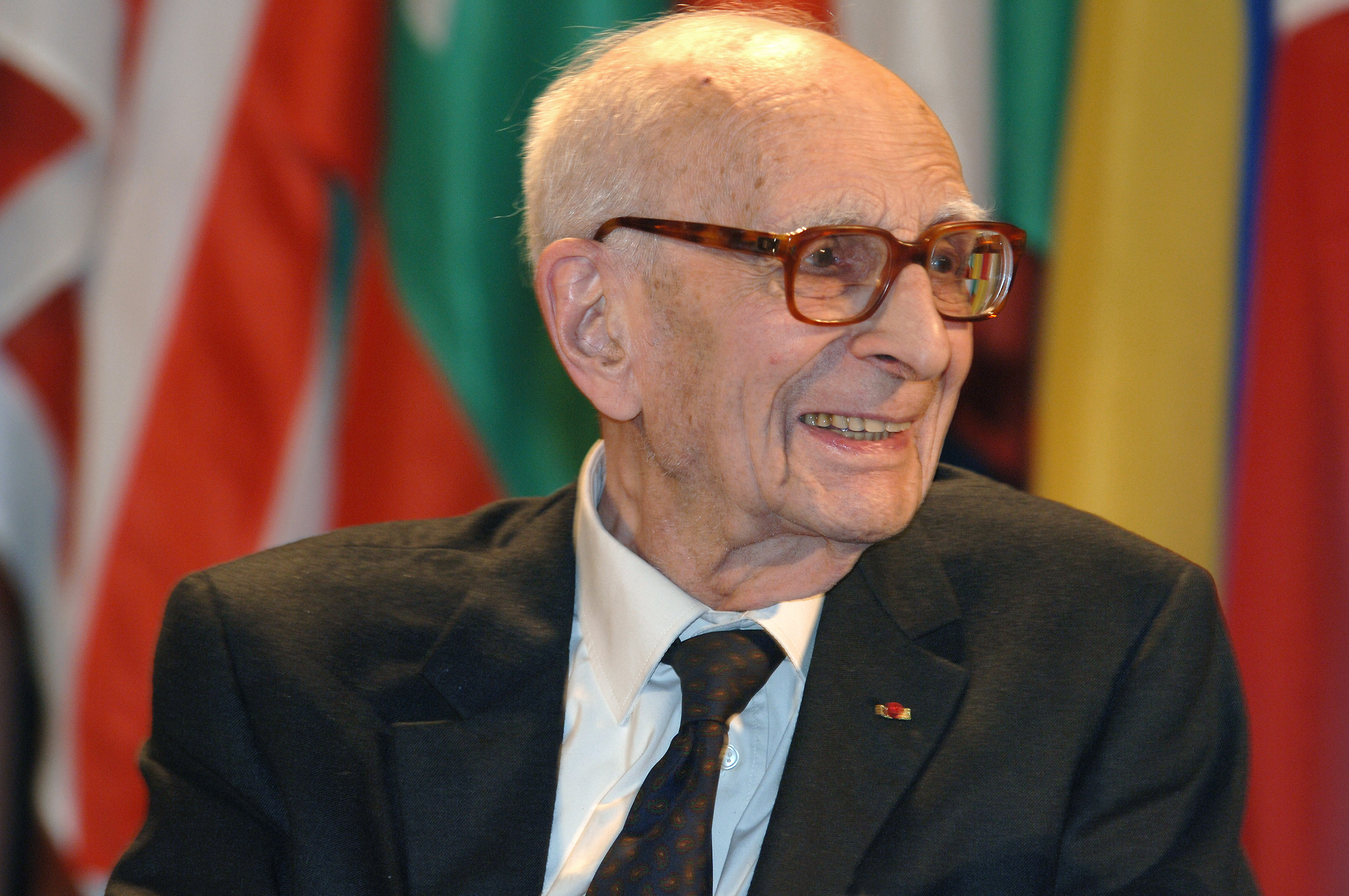
Levi Strauss also developed theories to do with narrative within media texts. Levi Strauss argued that narratives can be organised through binary oppositions of gender stereotypes.
He identifies a conflict between two qualities or terms. These binary oppositions can form the basis of narratives
These binary oppositions are diametrically opposed to each other. Classic examples are;
- Young & Old
- Subordinate & insubordinate
- Upper class & Working class
- Male female
Narratives can be organised through binary oppositions of gender stereotypes and films are made based on the stereotypes that society have of the relationship and interaction between men and women. A good example of a media text that involves this narrative theory is the film Think like a man;
Constructions of gender roles in narratives lead to a series of binary oppositions which are dominant vs subordinate.
Examples of Dominant binary oppositions are;
- Male
- White
- Middle class
- Middle aged
- Heterosexual
- Able-bodied
Examples of subordinate oppositions are;
- Female
- Other ethnic groups
- Working class
- The young
- The old
- Homosexual
- Bisexual
- Disabled
These different binary oppositions can be used to help construct narrative and create storyline and plot within media texts.
